
Genetics Explained: Understanding DNA and Heredity Basics
Genetics is a fascinating field of biology that delves into how traits and characteristics are passed from one generation to the next. At the heart of this process lies DNA, the molecule that holds the instructions necessary for life. Understanding the basics of DNA and heredity provides valuable insight into everything from why we look the way we do to how certain diseases are inherited.
What is DNA?
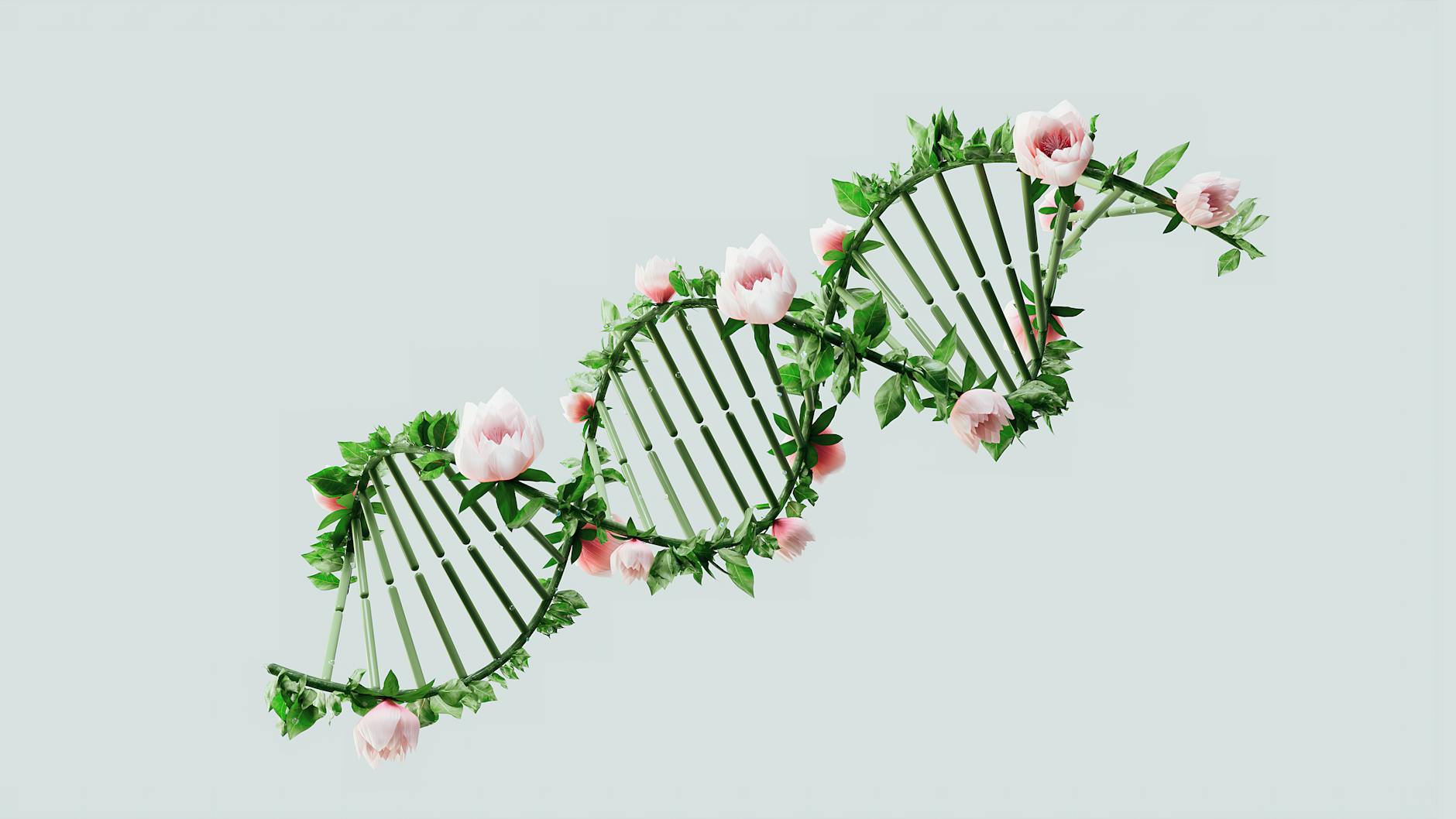
DNA, or deoxyribonucleic acid, is a complex molecule found in nearly every cell of living organisms. It acts as a biological blueprint, containing the coded instructions needed to build and maintain an organism. The structure of DNA is famously described as a double helix, resembling a twisted ladder. The “rungs” of this ladder are made up of pairs of chemical bases: adenine (A) pairs with thymine (T), and cytosine (C) pairs with guanine (G).
These base pairs form sequences that constitute genes, which are specific segments of DNA. Each gene provides the instructions to make proteins, essential molecules that perform most life functions and structure within our bodies.
How Heredity Works
Heredity refers to the transmission of genetic information from parents to offspring. This process ensures that children inherit traits that are similar to their parents, such as eye color, hair type, or susceptibility to certain conditions. Each parent contributes half of their DNA to their child through specialized cells called gametes—sperm in males and eggs in females.
When fertilization occurs, these gametes combine to form a zygote with a complete set of DNA. This combination of genetic material determines the unique makeup of the offspring, blending traits from both parents and sometimes resulting in variations.
Genes and Variations
Not all traits are passed down in a straightforward manner. Some traits follow simple patterns of inheritance, like those observed in Mendelian genetics, where dominant and recessive genes play a crucial role. For example, if one parent carries a dominant gene for brown eyes and the other a recessive gene for blue eyes, their child is more likely to have brown eyes.
However, many traits are influenced by multiple genes and environmental factors, leading to the diversity seen within populations. Genetic mutations—changes in the DNA sequence—can also introduce new variations. While some mutations are harmless or beneficial, others can cause hereditary diseases.
The Importance of Genetic Research
Advancements in genetics have revolutionized medicine, agriculture, and forensic science. Understanding DNA and heredity helps scientists develop genetic testing to identify the risk of inherited diseases, enabling early interventions and personalized treatments. It has also paved the way for breakthroughs like gene therapy, which aims to correct defective genes responsible for certain disorders.
Moreover, genetics plays a key role in biodiversity conservation and improving crop resilience, ensuring food security for the growing global population.
Conclusion
Grasping the fundamentals of DNA and heredity opens the door to understanding the incredible complexity of life. From the minute sequences of genetic code to the inheritance of traits across generations, genetics forms the foundation of biology. As research continues to unveil the mysteries of our genetic makeup, it empowers us to make informed decisions about our health, environment, and future.

editor's pick

latest video


news via inbox
Nulla turp dis cursus. Integer liberos euismod pretium faucibua